
Ever feel like you could dust your entire house on a Saturday morning and by Tuesday, every surface already has that telltale gray film again? Meanwhile, your neighbor barely lifts a finger and their place somehow stays pretty clean. Yeah, it's maddening.
You're not imagining it. Some houses really do collect dust faster than others, even on the same street. This guide breaks down what's actually going on, why your air conditioning system is usually involved, and when it might be time to call someone for your air duct cleaning.
Quick Reality Check
Dust isn't just dirt from outside. A lot of it is fabric fibers from your clothes and couch, dead skin cells (gross but true), pet dander, pollen that snuck in, and a bunch of other tiny stuff that floats around and eventually lands. Once you see what's in it, you start to understand why it comes back so fast.
What makes one house dustier than the one next door?

People tend to think they’re just slacking on housework. And yeah, sometimes that’s true. But I’ve seen plenty of spotless homes that still have a dust problem. So what else is going on?
A whole bunch of things, honestly:
- How old the house is, and how many little gaps it has
- The type of flooring-carpet holds dust like crazy
- Pets (even short-haired ones drop dander constantly)
- Air leaks around windows and doors that you don’t even notice
- The shape your HVAC system is in
- What’s been accumulating inside the air ducts for years
Two houses on the same street, built at the same time, can have wildly different dust levels. It’s not random. It’s all the little stuff adding up.
How Your Air Conditioning System Moves Dust Around Your Home
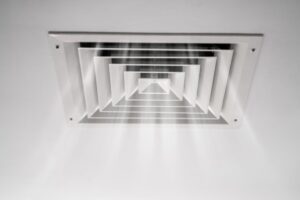
Your heating and cooling system moves air through the house all day. And whatever’s floating in that air; dust, lint, pollen, gets pulled into the return vents and then pushed back out through the supply vents.
A clean filter catches a lot of that junk. But if the filter is packed with crud, or if the ductwork has years of buildup inside, then more of that dust just keeps recirculating. Your air conditioning system isn't creating dust-it simply moves the air that's already inside your home. But that can sure make it feel like the dust never stops coming.
When the ducts themselves are part of the problem
Over time, dust settles inside your ductwork. A little bit is normal. But if nobody’s looked in there for years, you can end up with a thick layer of dust, pet hair, maybe even bits of drywall or insulation from a past renovation.
Then, every time the system kicks on, some of that stuff gets blown loose and sent into the rooms.
I’ve talked to people who cleaned their house top to bottom and within two days it looked like they hadn’t touched it. If that sounds familiar, the problem might be hiding inside the vents, not in your cleaning schedule.
Other reasons your house might be dustier than you'd expect
Ducts aren’t the only thing at play. Here are a few other culprits that don’t get enough blame.
Pets (all of them, even the “hypoallergenic” ones)
Your dog or cat drops hair and skin flakes all the time. It settles everywhere; floors, furniture, vents. Then you walk by and it puffs back up into the air. It’s a never-ending cycle.
Carpet and rugs

Carpet is basically a giant dust sponge. It traps particles all day, and as soon as someone steps on it, those particles get launched back into the air. Hard floors help, but dust still finds places to settle.
Open windows
Fresh air is nice, yeah. But you’re also letting in pollen, dirt, exhaust from the street, whatever. On a windy day, open windows can bring in a shocking amount of outside dust in just a few hours.
Any kind of renovation work
Did you recently paint a room, sand down a piece of furniture, or replace some flooring? That super-fine construction dust travels everywhere. Even into rooms where you didn't do any work. It gets into the air, into the ducts, and hangs around for weeks.
Why a clean filter matters so much
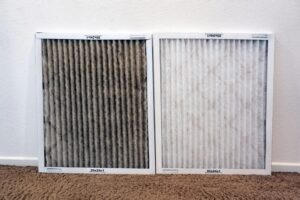
Think of your HVAC filter as the thing standing between all that floating dust and the air you breathe. A fresh filter grabs a lot of particles before they can settle.
But when the filter gets clogged, airflow slows down, the system works harder, and more dust stays in circulation. Check your filter every month. If it looks gray and fuzzy, swap it out. Depending on your house and whether you have pets, you might need a new one every 30 days, sometimes sooner.
Signs it might be time to get the ducts cleaned
Not every dusty house needs duct cleaning immediately. But here are a few things that hint it’s worth checking out:
- Dust comes right back a day or two after you clean
- You can actually see a little puff of dust from the vents when the system starts
- There’s a stale, musty smell when the heat or AC turns on
- Some rooms don’t get good airflow
- Your allergies are noticeably worse at home than outside
- You’ve had any kind of construction or remodeling recently
One or two of these might not mean much. But if you notice a few of them together, a professional inspection is probably a smart move.
Does duct cleaning actually do anything?
I’ll be honest: it’s not a cure-all. Dust is a fact of life and you’ll never get rid of every last particle. But if there’s a real buildup inside the ducts, getting them cleaned makes a noticeable difference.
It clears out years of accumulated junk, helps air move better, and removes stuff that’s been cycling through your house. Best results usually come when you combine duct cleaning with a new filter, sealing up air leaks, and seasonal maintenance plan.
Small changes that cut down on dust
You don’t have to spend your whole weekend cleaning. A handful of little things, done consistently, really add up:
- Change your air filter on a schedule, not just when it looks awful
- Use a vacuum with a HEPA filter-cheap ones spit fine dust back out
- Wipe down your return and supply vents every few weeks
- Seal gaps around doors and windows, even the skinny ones
- Wash your bedding way more often than you think you need to
- Brush your pets regularly (they’ll survive)
- Get a seasonal air conditioning service to keep things running clean
None of this is hard. The trick is that these habits build on each other, so over time you’re not fighting a losing battle.
When to call someone who knows what they’re doing
If you’re keeping up with all this stuff and the dust still piles up in two days, don’t blame yourself. It’s almost certainly not about your cleaning routine-something else is going on.
An expert hvac service provider in belton tx can check your ductwork, the filter situation, the blower, the ventilation setup, and how the system is running overall. Sometimes it’s a dumb-simple fix, like using a better filter or a different type. Other times they’ll find a duct that’s come loose in the attic, pulling in dusty air from outside. Getting a real evaluation means you stop guessing and finally deal with the actual cause.
Key takeaways
- Every house collects dust, but some are just dust magnets.
- Your HVAC system moves air around all day, and dust comes with it.
- Dirty filters and skipping maintenance mean more dust floating around.
- Duct cleaning helps when there’s actual buildup, not as a gimmick.
- Good filtration, regular care, and a few smart habits keep things noticeably cleaner.
FAQs
How often should I really get my air ducts cleaned?
There’s no one answer that fits every house. A home with three dogs and a recent reno will need it way sooner than a quiet, tidy place. A good technician can look inside and tell you honestly if it’s worth doing or if you’re fine for now.
Will duct cleaning make all the dust go away?
No way, and anyone who promises that is lying. Dust is just part of life. But if the ducts are full of old buildup, cleaning them seriously reduces the amount of dust getting blown back into the rooms.
Can dirty air ducts make my allergies worse?
Yeah, for sure. Pollen, dander, dust mites; all that stuff can sit in the ductwork and then get pushed back into the air every time the system runs. Clean filters and regular maintenance give you a much better shot at breathing easier indoors.
How do I know if my filter needs replacing?
If it looks dirty, the airflow at the vents seems weaker than usual, or you can’t remember the last time you changed it, go check. The manufacturer’s timeline is a decent guideline, but a dusty house or a shedding pet usually means you’ll be swapping it more often.
Should I have my air conditioning system inspected even if nothing seems broken?
Definitely. It’s like going to the dentist for a cleaning instead of waiting until your tooth hurts. A seasonal check finds little stuff-dirty blower wheel, low refrigerant, a failing part-before it turns into a big expensive repair on the hottest day of the year. Plus it keeps the system from working harder than it needs to, which saves you money.
Final bit
Look, dust is never going to fully disappear. It’s just part of living indoors. But when you’re wiping down the same surfaces every other day and they’re dusty again by morning, that’s usually a sign something in the house needs a closer look.
Your air conditioning system, the filter you use, the insulation, the ductwork-it all plays a part in whether your air feels clean or constantly stale. If you feel stuck in that loop, don’t just live with it. Bring in someone who understands these systems. Let them figure out what’s actually going on. Maybe it’s a duct cleaning, maybe it’s a better filter, maybe it’s a simple fix you’d never spot on your own. Whatever it turns out to be, addressing the real cause gets you a cleaner, healthier home and a whole lot less dust to chase.
If you're ready to find out what's causing all that extra dust, contact Rohde Air Conditioning & Heating team today. We'll inspect your air conditioning system, assess your ductwork, and recommend the right solution to help you enjoy cleaner, healthier indoor air.


