
Waking up with a stuffy nose, itchy eyes, and a sneezing fit? You probably chalk it up to pollen or the changing seasons.
But here's the short answer: your air conditioning might actually be the real troublemaker. The EPA says most of us spend about 90% of our time indoors, and indoor air can be two to three times dirtier than what's outside. That means your HVAC system could be blowing dust mites, mold spores, pet dander, and pollen around your house all year long. Before you reach for another antihistamine, let's take a look at what's hiding in your vents, ducts, and filters.
Key Takeaways
- Indoor air can be two to three times more polluted than outdoor air
- Your AC circulates allergens like dust mites, mold spores, pet dander, and pollen
- A clogged filter stops doing its job and makes your system work overtime
- Ducts collect dirt, mold, bacteria, and junk that trigger allergy symptoms
- Humidity above 50% invites mold growth and makes asthma worse
- Whole-home dehumidifiers cut down on allergens and asthma triggers
- The REME Halo in-duct purifier actively knocks out bacteria, viruses, mold, and allergens
- Professional duct cleaning removes trapped allergens at the source
What Is the Connection Between My Air Conditioning and My Allergies?
Your HVAC system is basically the lungs of your house. It pulls air in, conditions it, and blows it back out. If that air is full of pollen, dust, pet dander, or mold spores, your system happily spreads them to every room.
Air conditioners also remove moisture from the air while they cool. That's normally a good thing. But if the unit or ducts aren't cleaned regularly, that moisture can turn into mold inside the system. And mold releases spores, tiny little allergy bombs that can trigger asthma attacks.
Modern homes make the problem worse. They're sealed up tight for energy efficiency, which means very little fresh air gets in. So pollutants just build up, and your AC keeps recirculating the same dirty air over and over.
The symptoms are sneaky. Coughing, congestion, sneezing, fatigue, dizziness; they all look like a cold or seasonal allergies. So people reach for tissues and decongestants instead of checking their vents.
How Does a Dirty Air Filter Make My Allergies Worse?
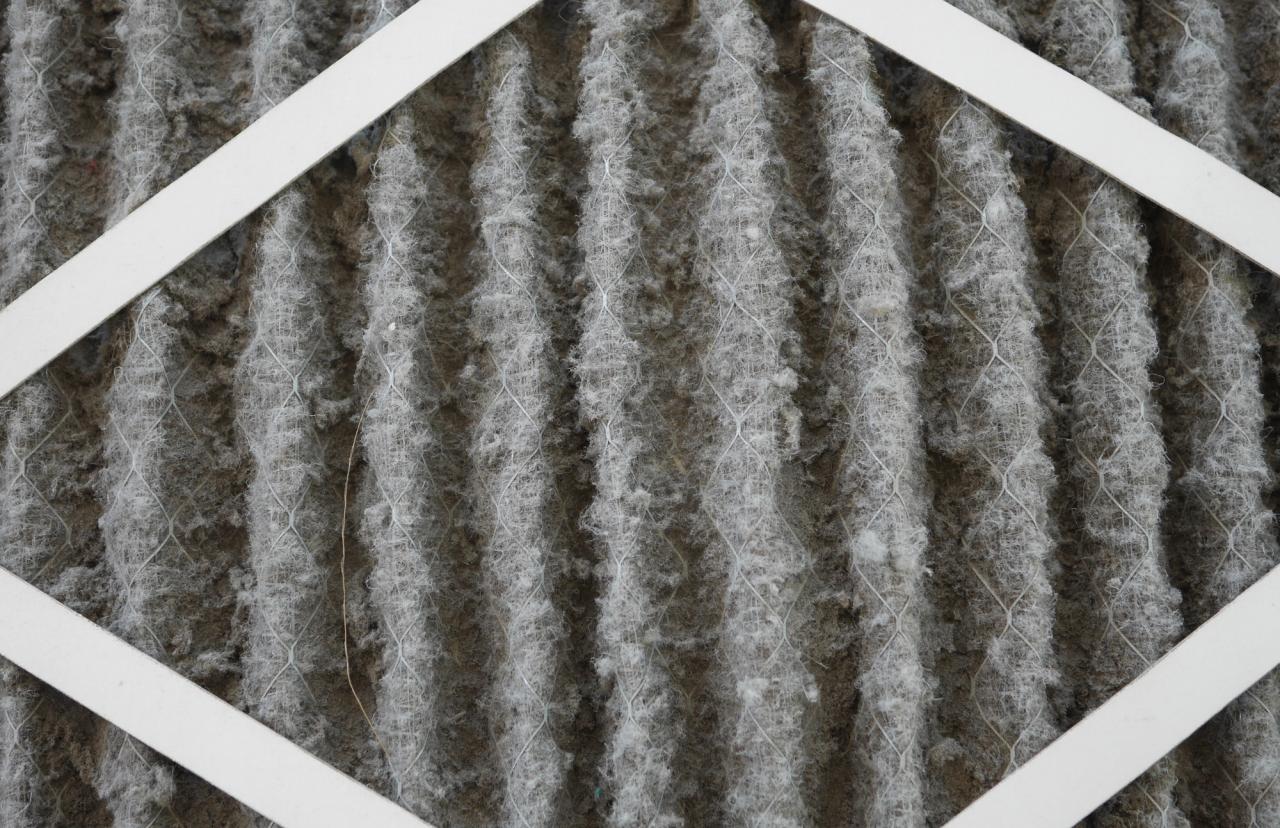

Think of your air filter as the first line of defense. It's supposed to catch dust, pollen, pet hair, and other junk before it gets into your living space.
But here's the problem: a filter that hasn't been changed in months becomes a clogged mess. Once it's full, it can't trap anything else. So all those allergens just blow right past it and into your home. On top of that, a dirty filter chokes your system's airflow. That means moisture lingers longer, which invites mold and mildew.
Pollen, dust, and pet dander build up fast, especially if you have furry friends. Your AC has to work harder to push air through the gunk, which leads to breakdowns and expensive repairs.
The fix is dead simple: change your filter every 90 days at minimum. If you have pets or someone in the house with allergies or asthma, swap it every 30 to 60 days. It's cheap, takes two minutes, and makes a world of difference.
Why Are My Air Ducts Making Me Sick?
Your air ducts are the highways that carry cool air from your AC to every room in the house. Over time, they collect dirt, dust, mold, bacteria, and all kinds of debris just from everyday use.
If you ignore them, two things happen. First, your system has to work harder to push air through the buildup. Second, that buildup gets blown straight into your rooms every time the AC kicks on.
Watch for these warning signs:
- Visible dust around registers and vents
- Mold spots near your HVAC unit
- Some rooms getting less air than others
- Strange noises coming from the ductwork
- Clothes taking forever to dry (for dryer ducts)
For people with asthma or allergies, air duct cleaning can be a total game changer. Removing all that trapped junk means less of it cycling through your air. Many people notice fewer sneezes, fewer coughs, and just cleaner-feeling air after a professional cleaning.
What Does the REME Halo Air Purifier Do for Allergies?
The REME Halo is a whole-home air purifier that installs right into your ductwork. Unlike those little portable units that only clean one room, the REME Halo treats the air everywhere in your house.
How does it work? It actively reduces airborne bacteria, viruses, odors, mold, and allergens; including pet dander, pollen, and dust. It has self-cleaning ionizers that knock down dust, dander, and pollen, which is a big deal for allergy and asthma sufferers.
One thing that sets it apart: it's UL 2998-verified zero ozone. That means it cleans your air without producing harmful ozone, which can actually irritate your lungs and make breathing problems worse.
If your household deals with allergies, frequent colds, strong cooking smells, pet odors, or recent mold issues, the REME Halo can make a noticeable difference. Lots of people say their air just smells cleaner and fresher after installation.
How Does Humidity Affect My Allergies and My AC?
Humidity is a bigger deal than most people realize. For healthy indoor air, your home's humidity should stay between 30 and 50 percent.
When it creeps above 50%, you're basically rolling out the welcome mat for mold, dust mites, and other allergens. These little critters love damp air, and they make allergy and asthma symptoms way worse.
Signs you have too much humidity:
- Condensation on windows
- Musty smells or visible mold
- Bubbling or peeling paint
High humidity also makes your AC work way harder. The system gets overwhelmed by all that water vapor, so it struggles to cool your home. Eventually it can't keep up, the air doesn't feel cool, and your unit might break down.
A whole-home dehumidifier can fix this. It pulls moisture out of the air quickly and uses less energy than running your AC nonstop. Because it dries the air, it's much better at stopping mold and mildew in their tracks.
If you or someone in your home has asthma or allergies, a dehumidifier can really help. It reduces allergens, blocks mold growth, protects your home's structure, and even keeps pests away.
Quick Comparison: Solutions for Allergy Sufferers
| Solution | What It Does | Best For |
| Regular Filter Changes | Traps dust, pollen, pet dander | All homes, especially with pets |
| Air Duct Cleaning | Removes trapped allergens from vents | Homes with visible dust, mold, or uneven airflow |
| REME Halo Air Purifier | Reduces bacteria, viruses, mold, allergens | Households with allergy or asthma sufferers |
| Whole-Home Dehumidifier | Controls humidity below 50%, prevents mold | Homes with musty odors, condensation, or high humidity |
| Seasonal Maintenance | Checks for leaks, cleans coils, inspects ducts | All homes before peak heating/cooling seasons |
How Can Seasonal Maintenance Help My Allergies?
Keeping your heating and cooling equipment in good shape does more than just prevent breakdowns—it's also great for your indoor air quality.
Before each season, your HVAC tech should check for things like a cracked heat exchanger or a refrigerant leak. That helps keep pollutants from sneaking into your home. They'll also inspect your ducts for excess dust or pest problems.
They'll clean the condensate drain, coils, and other parts that collect gunk. And a well-maintained system does a better job regulating humidity.
One easy way to stay on top of it? Join a maintenance plan. You'll save money on repairs and service calls, and you'll always get priority when you need help.
Ready to Breathe Easier in Your Home?
Next time you start blaming pollen for your sniffles, take a hard look at your air conditioning system instead. Dirty filters, clogged ducts, high humidity, and recirculated allergens might be the real reason you're reaching for tissues all year.
The good news? Most of this stuff is fixable. A simple filter change, a professional duct cleaning, a dehumidifier, or a REME Halo purifier can dramatically improve your indoor air and your health.
At Rohde Air Conditioning & Heating, we don't just fix AC units. We care about the air you breathe. Our team helps Texas families get cleaner indoor air by removing harmful particles, controlling humidity, and reducing the health risks that come with breathing dirty air. Give us a call today and start breathing easier tonight.
Frequently Asked Questions
Can my AC actually make my allergies worse?
Absolutely. If your system isn't maintained, it can blow dust, pollen, mold spores, and pet dander all over your house. Dirty filters and ducts are usually the main offenders. Regular maintenance and filter changes stop that.
How often should I change my air filter?
Every 90 days at least. If you have pets or someone with allergies or asthma, do it every 30 to 60 days.
Is duct cleaning worth it for allergies?
Yes. Duct cleaning removes the junk trapped in your vents, so less of it ends up in your air. Many people notice a big drop in allergy symptoms afterward.
What humidity level is best for allergy sufferers?
Stick between 30 and 50 percent. Keeping it under 50% stops mold and dust mites from multiplying, which are two huge allergy triggers.
How does the REME Halo differ from a portable air purifier?
The REME Halo installs into your ductwork and cleans the air in your whole house, not just one room. It actively reduces bacteria, viruses, mold, and allergens at the source


