
There's a specific kind of tired that comes from a Temple summer. You walk in from outside, the AC's clearly running, the thermostat says 74, and somehow you still feel damp. Sticky. Like the air hasn't quite gotten the memo that it's supposed to be cool and dry.
That's not your imagination, and it's not your AC failing you either. It's humidity doing what humidity does, and honestly, most air conditioners were never built to handle it alone.
A few quick things to know before we get into it:
- Your AC cools the air. Drying it out is just a side effect, not the main job
- A musty smell or foggy windows usually means humidity, not dirt
- Too much moisture wears your AC down faster than people realize
- A dehumidifier works with your AC, not instead of it
- Pair it with an air purifier and you're covering both moisture and air quality
Why does Temple get hit so hard by humidity?
Central Texas summers aren't just hot, they're heavy. Moisture-laden air holds onto heat in a way dry air simply doesn't, which is part of why 95 degrees here can feel a lot worse than 95 degrees somewhere drier.
Your air conditioner does pull some water out of the air as it cools your home. But that's a byproduct of the cooling process, not something it's actually designed to prioritize. On a genuinely muggy day, your AC's stuck trying to do two jobs, cool the air and dry it, and it's just not built to nail both at once. Something has to give, and usually it's the humidity that loses.
So how do you actually know your home's humidity is too high?
Your house tends to drop hints before it becomes a real problem. You just have to notice them.
A musty smell in your home that lingers no matter how much you clean is a big one, especially in bathrooms or closets. Windows fogging up in the morning, even when nobody's been cooking or showering, is another. So is air that just feels clammy the second you walk in, regardless of what the thermostat reads. Mold or mildew showing up somewhere it shouldn't, paint starting to peel, wood that's swelling or warping, these are all the same story told a few different ways.
And here's the one people miss most often: an AC that runs constantly but never quite catches up. That's not a broken unit, necessarily. That's often a unit fighting moisture it was never really equipped to beat.
What's actually considered "too much" humidity?
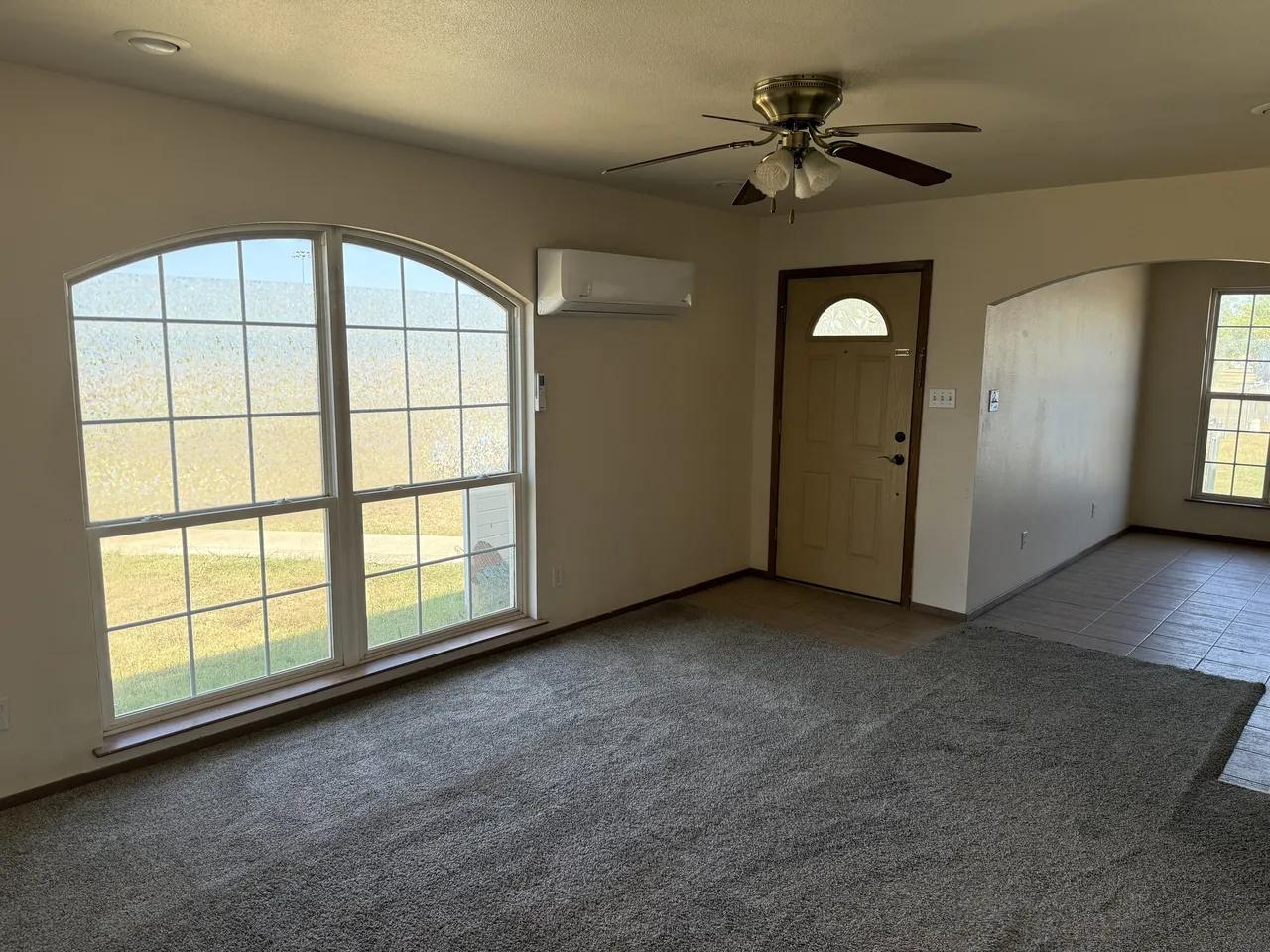

Somewhere between 30% and 50% is what most homes should be aiming for. Push past that, and you're creating exactly the environment mold, mildew and dust mites love.
Here's the tricky part for anyone living around Temple: outdoor humidity here can climb into the 70s or even 80s during peak summer. Your AC's basically starting that fight already behind. Without some extra help, getting your indoor air down into a genuinely healthy range just isn't realistic for a standard system working on its own.
Why should you even care if your AC's stuck dealing with extra moisture?
Beyond the obvious discomfort, it costs you. A system fighting humidity on top of heat has to run longer, work harder, and use more energy to hit the same temperature it could've reached more easily in drier air.
That extra strain doesn't just show up on your power bill either. Parts wear out sooner. AC repair Temple tx starts showing up earlier than they should for a system that age. What feels like a minor comfort issue in July can quietly turn into a real cost issue by the time you've had the unit a few years.
Isn't that what the air conditioner is already for?
Fair question, and it's one we hear a lot. The honest answer is: sort of, but not really.
Your AC cools by removing heat. Any moisture it pulls out along the way is basically a bonus, not the point. A dehumidifier flips that entirely, its only job is drying the air, and because that's all it's doing, it does it far better than an AC ever could as a side effect.
Split the work between the two, temperature to your AC, moisture to a dehumidifier, and each one actually gets to do its job properly instead of your AC quietly struggling to do both.
When does it actually make sense to install one?
A few situations tend to make the decision pretty clear. If your AC's running nonstop through summer and the house still feels damp, that's one. If you've spotted mold or mildew anywhere, especially somewhere like a bathroom or closet, that's another. Allergies or asthma flaring up more at home than anywhere else is worth paying attention to as well, and so is a pattern of AC repairs that feels like more than you'd expect for the system's age.
If a couple of those sound familiar, it's worth having a real conversation about a whole-house dehumidifier. Rather than chasing moisture room by room with a portable unit that needs emptying every few days, a whole-house system ties directly into your existing ductwork and quietly handles the entire home at once.
What does one of these systems actually do, day to day?
It connects into your existing AC and ductwork, then works in the background pulling excess moisture out of the air across your whole home, not just wherever you happen to place it.
We recommend AprilAire whole-house dehumidifiers for homes around Temple. Depending on the model, they pull anywhere from 80 to 130 pints of moisture a day out of the air, and they're rated Energy Star Most Efficient for 2026. Once it's in, you set a target humidity level and pretty much forget about it, the system kicks in on its own whenever moisture creeps above that number.
There's a bigger picture here too. A properly working dehumidifier isn't just about comfort, it's about protecting the house itself. Less moisture floating around means less chance of mold taking hold, less risk to wood and framing over time, and none of that musty smell settling permanently into your carpets and furniture.
Does it help with anything beyond just feeling less sticky?
Genuinely, yes. Damp air isn't only uncomfortable, it's practically an invitation for things you don't want living in your home. Mold, mildew, dust mites, certain bacteria, all of it thrives in moisture. Dry that air out and you're removing the exact conditions they need to grow in the first place. That matters even more if anyone in the house deals with allergies or asthma, since humid air tends to make both worse.
If indoor air quality is a bigger concern for your household, pairing a dehumidifier with something like the REME HALO air purifier tackles the problem from two directions at once. One handles moisture. The other actively reduces airborne particles, odors, and even certain viruses and bacteria moving through your home's air. Together they cover a lot more than either one manages alone.
Is it actually worth spending the money?
For a lot of homes around Temple, yes, though it's a real investment upfront, not a small one. Where it tends to pay off is in lower energy bills since your AC isn't fighting moisture and heat at the same time, fewer AC repairs down the line, and a home that genuinely feels healthier to live in day to day.
If you're still not sure, the smartest move is getting your actual humidity levels checked rather than trying to guess based on how the living room feels on a random Tuesday afternoon.
If your Temple home's been feeling damp, smelling a little musty, or your AC just can't seem to win the battle in summer, that's excess humidity doing the talking. A dehumidifier works alongside your air conditioner rather than replacing it, taking moisture off its plate so it can focus on what it's actually good at. Add an air purifier into that mix and you've got both moisture and air quality handled properly.
If you're not sure where your home stands, reach out to our team at Rohde Air Conditioning & Heating. We'll come take an honest look at your humidity levels and tell you straight whether a dehumidifier actually makes sense for your place, no pressure either way.
Frequently Asked Questions
How long does installing a whole-house dehumidifier usually take?
Most jobs wrap up in a single day, since it ties into ductwork and equipment you already have. Your technician can give you a better estimate once they've seen your setup.
Will a dehumidifier actually lower my energy bill?
Often, yeah. Once your AC isn't fighting moisture on top of heat, it doesn't have to work nearly as hard, which tends to show up as lower energy costs over time.
If I already have an air purifier, do I still need a dehumidifier?
They're solving different problems, really. An air purifier deals with particles, odors and airborne bacteria. A dehumidifier deals with moisture. A lot of homes around Temple end up running both for full coverage.
Can a dehumidifier actually help with allergies?
It can, yes. Mold, dust mites and mildew all need damp air to thrive, so drying that air out often takes away what's triggering symptoms in the first place.
How do I know for sure if my home's humidity is too high?
Musty smells, foggy windows, and an AC that runs nonstop without keeping up are all solid clues. For an exact number, a technician can measure it properly rather than you having to guess.


