
Is your air conditioner around 10 years old but still running? Should you keep repairing it, or is it time to start thinking about a replacement?
A 10-year-old AC does not automatically need to be replaced. If it is well maintained, it may still have useful years left. But this is also the age when efficiency can start to drop, repairs can become more frequent, and older parts may struggle during a hot Texas summer.
So how do you know which path makes sense?
In this guide, we’ll look at the warning signs that your older air conditioner may be ready for an upgrade, what rising energy bills can tell you, when repairs still make sense, and what to consider before investing in a new system.
Why Does 10 Years Matter for an Air Conditioner?
Most residential air conditioners can provide many years of service when they receive regular maintenance. But age matters because wear builds up over time.
A system that worked efficiently when it was new may not perform the same way after years of dust, heat, electrical cycling, refrigerant issues, and normal component wear.
That does not mean you need to replace your AC the moment it reaches its tenth birthday.
Instead, think of 10 years as a decision point.
At this stage, ask yourself:
- Is the system still cooling your home evenly?
- Are your energy bills increasing?
- Are repairs becoming more common?
- Is the system struggling on very hot days?
- Are you spending more to keep an older unit running?
- Is your home still comfortable at a reasonable thermostat setting?
If several answers are yes, it may be worth comparing the cost of continued repairs with the benefits of a newer system.
How Can Rising Energy Bills Tell You Your AC Is Aging?
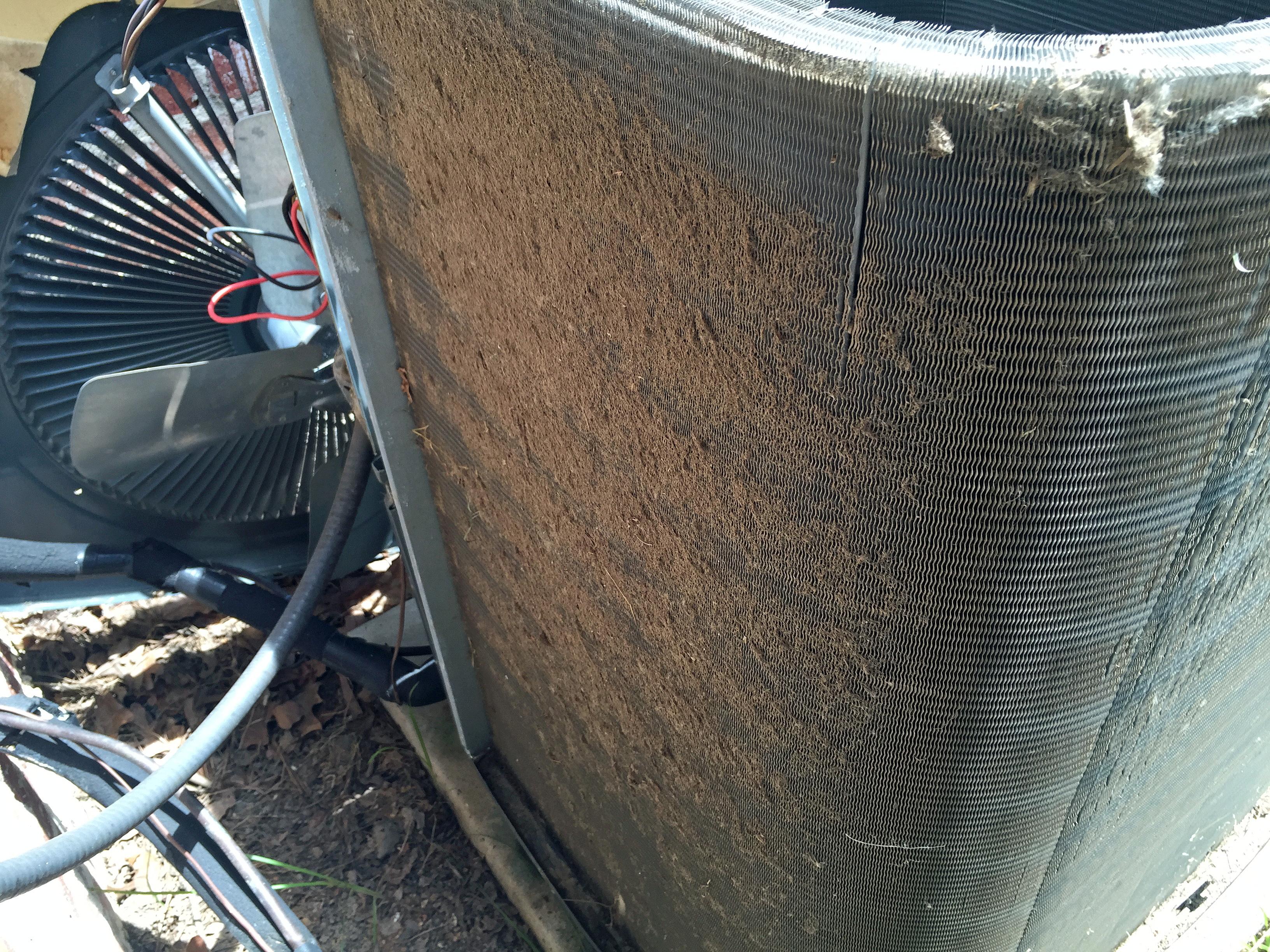
One of the easiest signs to notice is a gradual increase in your cooling costs.
You may be using the same thermostat setting. Your family has not changed. Your home has not changed.
Yet the electric bill keeps climbing.
Sometimes the problem is simple. A dirty filter, clogged coil, leaking duct, or refrigerant problem can make an AC work harder than it should.
But if those issues have been addressed and an older system is still running longer than it used to, declining efficiency may be part of the problem.
An older air conditioner may need more electricity to provide the same amount of cooling that a newer system can deliver more efficiently.
That is why we recommend looking at your energy bills and repair history together, rather than assuming every high bill means you need a new AC.
What Does Frequent AC Repair Tell You About an Older System?
One repair does not necessarily mean your air conditioner is finished.
A worn capacitor, faulty contactor, clogged drain, or other relatively minor problem may be worth repairing.
The bigger concern is when repairs start becoming a pattern.
For example, you might fix one component in the spring, another part in the summer, and then face another issue a few months later.
At that point, the question becomes less about whether you can repair the system and more about whether continuing to put money into it makes financial sense.
Pay attention to:
- Increasing repair frequency
- Repeated electrical problems
- Refrigerant leaks
- Compressor problems
- Expensive motor repairs
- Parts that are becoming difficult or costly to replace
If your 10-year-old AC keeps breaking down, a professional can compare the expected repair cost with the cost and benefits of replacement.
Why Does Uneven Cooling Mean Your AC May Be Struggling?
Does one bedroom feel warm while the living room is comfortable?
Maybe the upstairs never seems to cool down, even though the thermostat says the house has reached the set temperature.
Uneven cooling does not automatically mean you need a new air conditioner. Duct problems, poor insulation, airflow restrictions, dirty filters, and thermostat issues can all contribute.
But when an older system is already struggling with airflow and performance, the problem can become more noticeable.
If your AC runs for long periods but still cannot keep every part of your home comfortable, it is worth having the entire system evaluated before another Texas heat wave arrives.
How Can Longer Run Times Affect an Older Air Conditioner?
Your AC needs to run long enough to cool and dehumidify your home properly.
But there is a difference between normal operation and a system that seems to run almost constantly.
If your older air conditioner runs for hours and still struggles to reach the thermostat setting, something may be wrong.
Possible causes include:
- A dirty evaporator or condenser coil
- Low refrigerant caused by a leak
- Poor airflow
- Leaking ductwork
- An aging compressor
- An improperly sized system
- Problems with the blower or other components
If basic maintenance does not solve the problem, the age of the system becomes more important when deciding whether to repair or replace it.
What Does Poor Humidity Control Say About Your AC?
Your air conditioner does more than lower the temperature.
It also helps remove moisture from indoor air.
If your home feels sticky even though the thermostat shows a comfortable temperature, your AC may not be removing humidity as effectively as it once did.
You might notice:
- A clammy feeling indoors
- Musty odors
- Condensation around windows
- Rooms that feel warmer than the thermostat setting
- An AC that runs for long periods without making the home feel comfortable
There can be several causes, so humidity problems should be properly diagnosed.
However, poor humidity control can be another sign that an older cooling system is no longer performing as well as it should.
When Does an AC Repair Make More Sense Than Replacement?
Not every 10-year-old air conditioner needs to be replaced.
If the system has been reliable, receives regularmaintenance, and needs a relatively inexpensive ac repair, fixing it may be the better choice.
For example, replacing a small worn component may give you several more years of dependable service.
Replacement becomes more attractive when the repair is expensive, the system has a history of problems, or you are already dealing with several signs of declining performance.
A useful question to ask is:
“If I repair this system today, how much longer can I reasonably expect it to operate?”
A qualified HVAC technician can help you answer that based on the condition of the equipment rather than simply its age.
How Can Maintenance Help You Delay an AC Replacement?
Regular maintenance cannot make an old air conditioner new again, but it can help you get the most from the system you already have.
Simple issues such as dirty coils, restricted airflow, and neglected components can make an AC work harder than necessary.
Routine maintenance can include checking important components, cleaning areas that affect airflow and heat transfer, checking refrigerant-related issues, and looking for early signs of wear.
For an older system, maintenance is especially useful because it can help you identify problems before they turn into an emergency repair during the hottest part of summer.
At Rohde Air Conditioning & Heating, we can evaluate your system and help you understand whether continued maintenance, repair, or replacement makes the most sense for your home.
What Should You Consider Before Replacing a 10-Year-Old AC?
Replacing an air conditioner is a major household decision, so the purchase price should not be your only consideration.
Look at the bigger picture.
Consider:
Current repair costs: How much have you spent maintaining the existing system recently?
Energy use: Has your cooling cost increased even though your usage has stayed similar?
Comfort: Does the system still cool your home evenly?
Reliability: Can you depend on it during the hottest days of the year?
Efficiency: Would a newer system provide better efficiency for your home?
Expected remaining life: Is the existing equipment likely to need major repairs soon?
A professional assessment can help you compare these factors instead of making the decision based on age alone.
How Can You Tell If Your AC Is Ready for an Upgrade?
There is no single warning sign that means every 10-year-old air conditioner needs to be replaced.
Instead, look for a combination of problems.
Your AC may be worth upgrading if:
- Your energy bills keep increasing
- Repairs are becoming more frequent
- Cooling is uneven throughout the house
- The system runs for long periods
- Your home feels humid or uncomfortable
- The unit struggles during extreme Texas heat
- A major component needs an expensive repair
- The system has become unreliable
- You are spending more to maintain it than you expected
When several of these issues appear together, AC Installation Belton tx may provide better long-term value than continuing to repair an aging system.
What Can You Do If Your 10-Year-Old AC Still Works Fine?
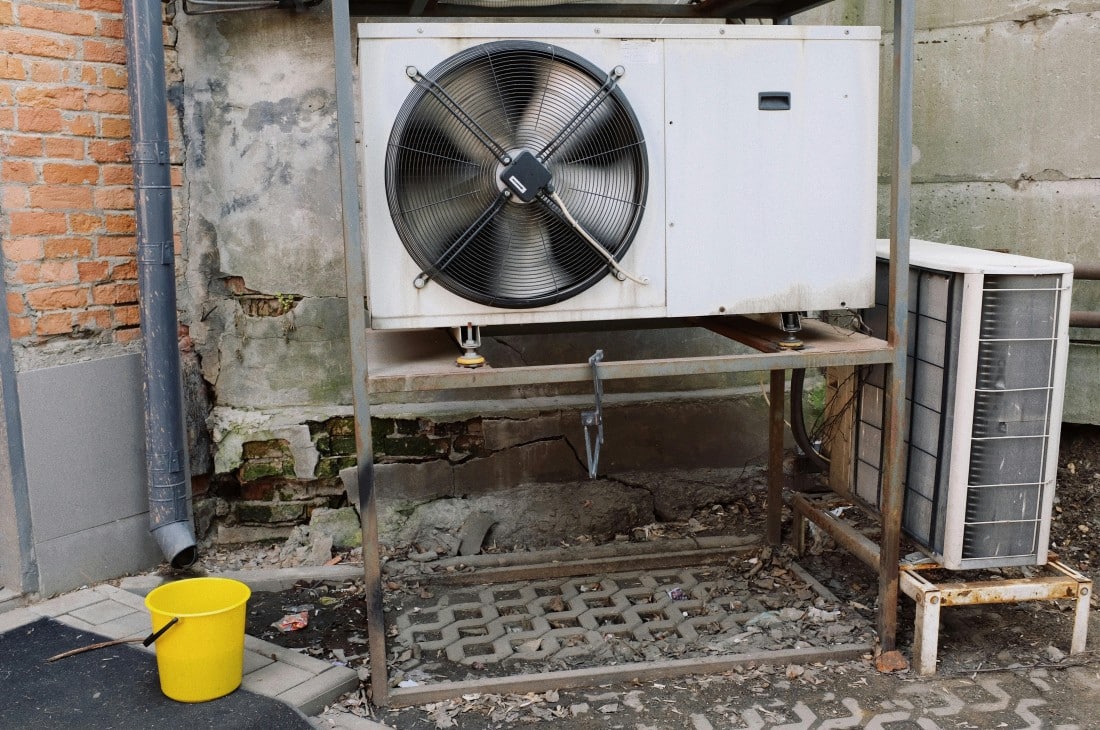

If your air conditioner is 10 years old and still works well, there is no reason to replace it simply because of its birthday.
Keep up with maintenance.
Change the filter regularly. Keep the outdoor unit clear of debris. Pay attention to unusual noises, longer run times, rising bills, and changes in comfort.
It is also smart to know the age and condition of your system before a major problem happens.
That way, if a significant repair does come up, you can make a calm decision instead of choosing a replacement because your home is suddenly 90 degrees.
Why Is Planning Ahead Better Than Waiting for an AC Failure?
Nobody wants to replace an air conditioner in the middle of a Texas heat wave.
But that is exactly when many homeowners end up making the decision.
The system stops cooling. The house gets hotter. A technician finds a major component failure. Suddenly, you are trying to decide whether to repair an aging unit or replace it as quickly as possible.
Planning ahead gives you more choices.
You can compare systems, review financing options, think about efficiency, and choose a replacement that fits your home and budget.
Most importantly, you are making the decision because it makes sense, not because you are stuck without cooling.
What Is the Bottom Line on Replacing a 10-Year-Old Air Conditioner?
A 10-year-old air conditioner is not automatically ready for retirement.
But it is old enough that you should start paying closer attention to efficiency, reliability, comfort, and repair costs.
If your system is still dependable and efficient, regular maintenance may help you keep it running.
If energy bills are climbing, repairs are becoming frequent, cooling is uneven, and the system struggles to keep up, an upgrade may make more sense.
At Rohde Air Conditioning & Heating, we can inspect your current system and explain your options clearly. Whether you need AC repair, maintenance, or a new air conditioning system, the goal is the same: help you stay comfortable without spending money where you don't need to.
Frequently Asked Questions
Is 10 years old too old for an air conditioner?
Not necessarily. A 10-year-old AC can still provide reliable cooling if it has been properly maintained and is operating efficiently. However, age becomes more important when you are also seeing frequent repairs, rising energy bills, inconsistent cooling, or declining performance.
What are the signs that a 10-year-old AC should be replaced?
Frequent breakdowns, increasing repair costs, higher energy bills, uneven cooling, longer run times, and difficulty keeping your home comfortable can all indicate that replacement is worth considering. One problem alone does not necessarily mean you need a new system, but several of these signs together are worth having a professional evaluate.
Should I repair my 10-year-old air conditioner or replace it?
The right choice depends on the condition of the system, the repair cost, its efficiency, and how often it has needed service. If a relatively minor repair can restore reliable performance, repairing may make sense. If major repairs are becoming frequent and the system is losing efficiency, replacing the AC may provide better long-term value.
Can an older AC cause my energy bills to keep increasing?
Yes. As an air conditioner ages, its efficiency can decline, especially when components become dirty or worn or the system develops airflow or refrigerant problems. An older AC may need to run longer to deliver the same amount of cooling, increasing electricity use even when your thermostat setting has not changed.
Does replacing an old AC really make a difference in monthly energy costs?
It can, particularly when an older system has lost efficiency or requires increasingly long cooling cycles. A newer, properly sized air conditioner can use less energy to provide the cooling your home needs. However, the potential savings depend on factors such as your existing system's efficiency, home size, ductwork, insulation, and how much you use the AC.
How can I tell if my AC problem is worth fixing before replacing the system?
Start by looking at the bigger picture rather than the age of the equipment alone. Consider the repair cost, recent repair history, energy bills, cooling performance, and expected remaining service life. A professional AC evaluation can help determine whether the problem is a relatively simple repair or a sign that continued investment in the system may no longer make financial sense.


