
It happens every time a blue norther blows through Temple, the temperature drops twenty degrees in an hour, you switch the thermostat over to heat, and then you wait.
And wait.
The system is running. You can hear it. But the house just never feels warm. Instead of cozy, you get lukewarm air, or a house that's cold in the morning and finally comfortable by 3 p.m. when the sun comes out.
It's frustrating. And it's common. Texas cold fronts are hard on heating systems because they arrive fast and hit with wind that sucks heat right out of your walls. Your heater isn't necessarily broken. But it is being asked to do more than it's ready for.
Here are seven reasons your heater may not keep up during a cold front in Temple, TX and what you can do about each one.
1. Your air filter is choking the system
This is the first thing to check, and it's the easiest fix. A clogged filter restricts airflow. Your furnace or heat pump can fire up and run all day, but if the air can't move through the system, the heat never reaches your rooms.
Think of it like trying to breathe through a straw. The system works harder, gets hotter, and sometimes shuts off on a safety limit before it ever warms the house.
What to do: Change the filter before the next cold front. If you can't remember the last time you did it, do it now. During heavy heating season, check it every month.
2. Your heat pump is in defrost mode
If you have a heat pump, which is common in Central Texas, you might see it blowing cool air for a few minutes during a cold snap. That's not a breakdown. It's defrost mode.
Heat pumps pull heat from the outside air. When it's cold and damp, frost builds up on the outdoor coil. The system temporarily reverses to melt that frost, and during that cycle, it blows cooler air inside.
What to do: If the cool air lasts a few minutes and then warm air returns, it's normal. If it blows cool air for an hour and the house keeps getting colder, the defrost cycle may be stuck, or your backup heat isn't kicking in. That's when you call for Heat Pump Repair Temple, TX.
3. Your system is short-cycling
Short cycling means the heater turns on, runs for a few minutes, shuts off, and then repeats. The house never gets warm because the system never runs long enough to make a difference.
During a Texas cold front, short cycling can happen for several reasons. A dirty filter, a thermostat problem, an oversized unit, or a failing component can all cause it. Some of it is normal when temperatures swing from warm afternoons to freezing mornings. But if it happens constantly and the house stays cold, it needs a professional look.
What to do: Check the filter and thermostat first. If short cycling continues, schedule a Heating Service Temple Tx visit before the next front arrives.
4. Your heat pump has lost capacity in the deep cold
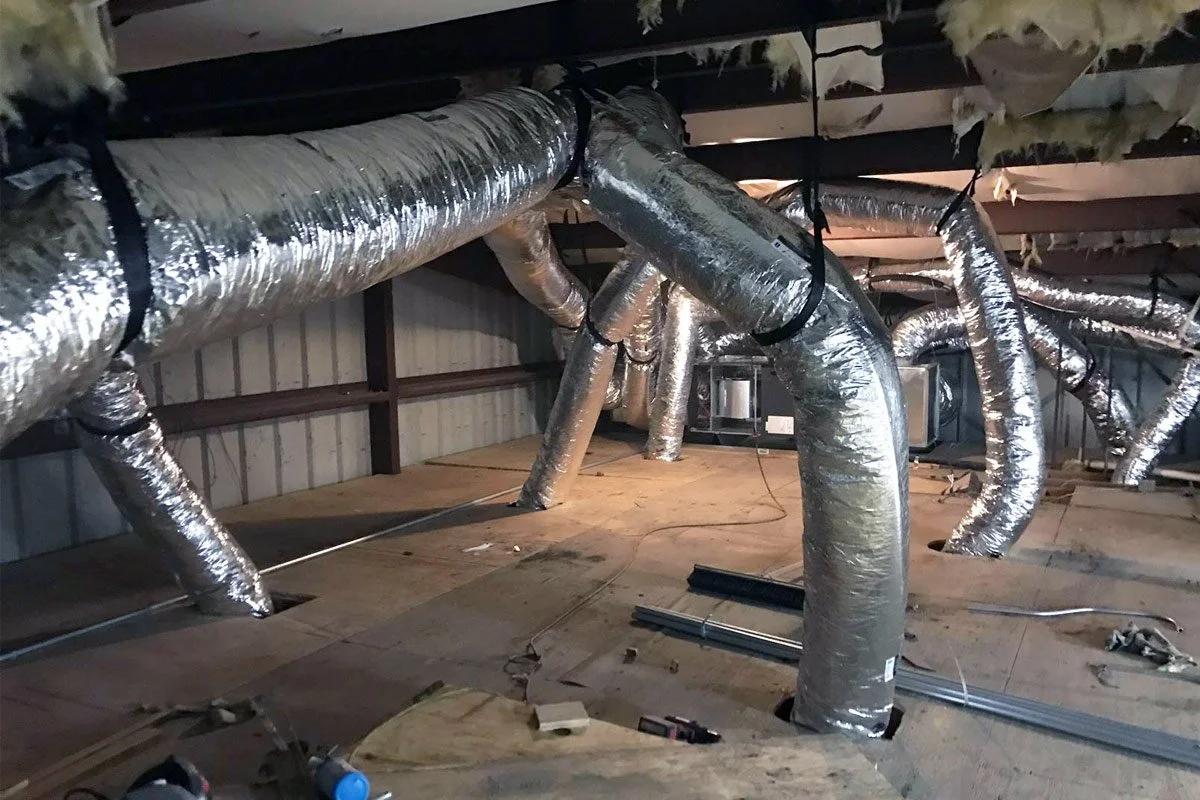

Heat pumps are efficient, but they lose capacity as outdoor temperatures drop. Around 20°F, the efficiency of heating drops noticeably, regardless of the brand. The system is still running, but it's extracting less heat from the outside air.
This is why heat pumps have backup heat strips. When the heat pump can't keep up, the backup should kick in. If the house is still cold, the backup heat may not be working properly, or the system may be undersized for the extreme cold.
What to do: If your heat pump struggles every time temperatures drop below freezing, it's worth having a technician check the backup heat and the system's overall capacity. This is where Heat Pump Maintenance pays off, a tune-up can catch weak components before they fail on the coldest night.
5. Wind is stealing your heat faster than the system can replace it
You might not think about wind, but it matters more than most people realize. Strong north winds during a cold front push cold air into every small gap around doors, windows, and attics. Your heater has to run longer just to hold the temperature steady.
That's why a windy 35°F day can feel colder inside than a still 30°F day. The system is fighting both the temperature and the wind.
What to do: Seal obvious drafts around doors and windows. Close blinds at night. And give the system a break, don't expect it to recover instantly after a windy front blows through.
6. Your thermostat is lying to you (or set wrong)
Sometimes the heater is fine. The thermostat is the problem.
A thermostat with dead batteries, a faulty sensor, or the wrong setting can keep the system from running properly. It might read the room as warmer than it is, so it shuts off early. Or it might be set to "Auto" when it should be "On," or the fan might be running without heat.
What to do: Check the batteries. Make sure it's set to "Heat," not "Cool" or "Fan." If you have a programmable thermostat, confirm the schedule isn't overriding your settings. If nothing looks wrong and the house still won't heat, the thermostat itself may need replacement.
7. Your system is old, undersized, or simply worn out
This is the hard truth. If your heater is more than 10–15 years old, it may no longer have the capacity it once did. Components wear out. Efficiency drops. And a system that was "fine" during mild winters can struggle when a real cold front demands full output.
An undersized system has the same problem. It was never built to handle the coldest days, and no amount of repair will change that.
What to do: If your system is aging and struggling every winter, start planning for Heat Pump Installation and Replacement. It's better to replace on your schedule than to wait for a breakdown on the coldest night of the year.
What Actually Helps Before the Next Cold Front
You can't control the weather. But you can control how ready your system is.
- Change the filter. Do it now. Then check it monthly.
- Test the heat before you need it. On a mild day, switch the thermostat to Heat and make sure warm air comes out.
- Clear the outdoor unit. Rake leaves and debris away from the heat pump. Give it at least two feet of clearance.
- Seal drafts. Weatherstripping around doors and windows makes a real difference when the wind picks up.
- Schedule a heating tune-up. A professional Heating Service Temple Tx can catch worn parts, weak igniters, and low refrigerant before they leave you cold.
When to Call Us
If your heater is running but the house won't warm up, don't wait until the next front hits. The problem is easier and cheaper to fix now than it is during a cold snap when every technician in Bell County is booked solid.
At Rohde Air Conditioning & Heating, we've been keeping Temple and Central Texas homes comfortable for years. Whether you need a quick repair, a maintenance tune-up, or a full heat pump replacement, our team can help you get ahead of the cold. Reach out to us here and we'll take a look at your system before the next blue norther rolls through.
Questions People Ask
Why does my heater blow cool air at first?
A few minutes of cool air at startup can be normal, especially for a heat pump in defrost mode. If it lasts longer than 10-15 minutes, or if the house keeps getting colder, it's worth having checked.
Is it normal for my heater to run constantly during a cold front?
It may run longer cycles when it's cold outside, especially if it's windy. But it should still reach the set temperature eventually. If it runs nonstop and the house never warms up, there's a problem.
How often should I change my filter during winter?
Check it every month during heavy heating season. A clogged filter is the most common and most preventable cause of heating problems.
What's the difference between a heat pump repair and a tune-up?
A repair fixes something that's broken. A tune-up prevents problems by cleaning, testing, and adjusting components. Both matter, but maintenance is cheaper than emergency repairs.
How do I know if my heat pump is undersized for my home?
If it struggles every winter, especially during cold fronts, and never seems to catch up, it may be undersized. A technician can perform a load calculation to confirm.


