
"I've cleaned every room, but every time the AC turns on, my house smells musty again. What am I missing?"
It's a question HVAC technicians hear more often than you'd think. Many homeowners assume the smell is coming from old carpet, furniture, or humid weather, when the real source is often hidden inside the air conditioning system itself.
Here's what we're covering today: what's causing that musty odour, why your AC is often to blame, and how to tell whether it's something you can fix yourself or a sign it's time to call a professional.
Key Takeaways
- Musty smells mean moisture - where there's moisture, mold and mildew follow
- Dirty filters are the #1 suspect - clogged filters trap moisture and become breeding grounds
- Clogged drain lines cause backups - standing water in your drain pan is a mold factory
- Dirty Sock Syndrome is real - bacteria on evaporator coils creates that locker-room smell
- Air duct cleaning isn't always the first solution - but sometimes it's the only one
- Ignoring the smell won't make it go away - it'll get worse and could affect your indoor air quality
The Short Answer: It's Moisture
Your AC does two things. It cools your home, and it pulls moisture out of the air. That's why you see water dripping from your outdoor unit on a hot day.
But when that moisture goes somewhere it shouldn't or when it doesn't drain properly-you've got a problem. Standing water plus dust equals mold. And when your system runs, it blows air across those contaminated surfaces and spreads that musty odor throughout your home.
The trick is finding where the moisture is hiding.
The Usual Suspects
Dirty Air Filters
This is the first thing to check. Your air filter catches dust and debris before they enter your system.
When a filter gets clogged, it stays damp and traps moisture. That moist, dusty environment becomes a breeding ground for bacteria and mold.
Fix it: Check your filter. If it's dirty or wet, replace it. Change air filters at least every three months.
Clogged Condensate Drain Line
Your AC produces condensation as it cools. That water drains through a small pipe, the condensate line.
When that line clogs with algae or debris, water backs up into your drain pan. Standing water in the pan becomes a mold factory.
Fix it: Flush the drain line with water and vinegar, or use a wet/dry vacuum to clear the clog.
Full or Dirty Drain Pan
Most AC units have a drain pan under the indoor evaporator coils. If the drain line is clogged or the pan is cracked, water accumulates.
Fix it: Empty the pan and clean it with a mild bleach solution to kill mold and bacteria.
Frozen Evaporator Coils
This sounds backward-how does ice cause a smell? But when coils freeze and then thaw, the excess moisture leads to mold growth.
Fix it: Turn off your AC and let the coils thaw completely. Check your airflow—blocked registers or a dirty filter are common causes of frozen coils.
Mold in Ductwork
This is where air duct cleaning comes in. If your ductwork has never been cleaned, or if there's been moisture intrusion, mold can colonize your ducts.
When the AC runs, it blows air through those contaminated ducts.
Fix it: If you've checked everything else and the smell persists, call a professional for air duct cleaning. A technician can inspect your ductwork, identify mold growth, and clean and sanitize your system.
Dirty Sock Syndrome
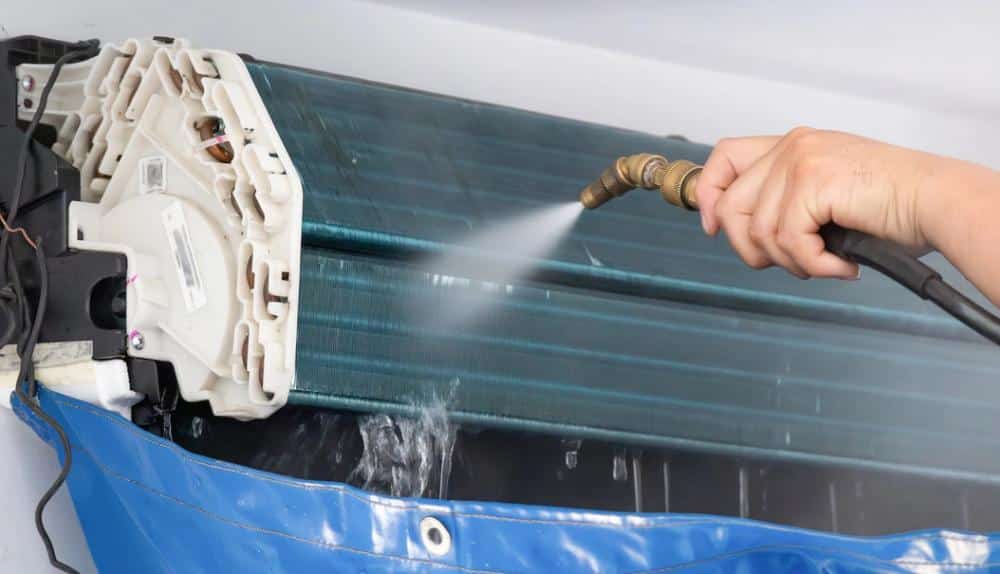

Your AC might be suffering from something HVAC pros call Dirty Sock Syndrome.
Bacteria and mold accumulate on your evaporator coil. When the AC runs, the coil gets damp, and those microbes release a smell that's exactly what it sounds like-dirty socks.
This is more common in systems that cycle on and off frequently, or in humid climates where the coil stays damp for extended periods.
Solutions might include cleaning the indoor coil, checking the condensate line, and using specialized coil cleaners and antimicrobial treatments. Otherwise due to such persistant conditions, homes get dusty faster.
When to Call a Professional
Some fixes are DIY-friendly. Replacing a filter or flushing a drain line is well within most homeowners' capabilities.
Call a pro when:
- The smell persists after you've changed the filter and cleaned the drain pan
- You see visible mold on vent covers or drip pans
- The smell is strongest in the first 5-15 minutes after startup
- You or your family have symptoms like irritated eyes, throat, or headaches that improve when you leave the house
- Your system is over 10 years old and has never had a professional cleaning
- You suspect the issue is in the ductwork, professional air duct cleaning needs specialized equipment
The Health Angle
That musty smell when your AC turns on isn't normal. It's your system telling you something is wrong.
Usually, it's moisture. And where there's moisture, there's mold and mildew.
Start with the simple fixes: check your filter, flush your drain line, clean your drain pan. If the smell persists, it's time to call a professional who can inspect your system, clean the evaporator coil, and perform air duct cleaning if necessary.
Don't ignore it. The smell won't go away on its own. And the longer you wait, the more it can affect your indoor air quality and your family's health.
Rohde Air Conditioning & Heating provides service, sales, and installation to residential and commercial customers in Central Texas. We also offer scheduled maintenance with customizable plans that suit each client's needs.
If that musty smell has been bothering you and you're ready to breathe easier, contact Rohde AC today.
Frequently Asked Questions
Is a musty smell from my AC dangerous?
There’s no one answer that fits every house. A home with three dogs and a recent reno will need it way sooner than a quiet, tidy place. A good technician can look inside and tell you honestly if it’s worth doing or if you’re fine for now.
How often should I have my air ducts cleaned?
There's no one-size-fits-all answer. The EPA recommends having your ducts inspected if you notice visible mold, have a rodent or insect infestation, or see substantial debris buildup. As a general rule, consider professional air duct cleaning every 3–5 years, or more frequently if you have pets, allergies, or live in a humid climate.
Can I clean my air ducts myself?
You can clean vent covers and visible areas, but the ductwork itself needs specialized equipment like rotary brushes and high-powered vacuums. Professional air duct cleaning ensures the job is done thoroughly without damaging your ductwork.
What's the difference between cleaning my ducts and cleaning my AC unit?
They're related but distinct. Cleaning your AC unit involves the evaporator coil, blower motor, and drain pan. Air duct cleaning involves the network of ducts that distribute air throughout your home. Both may be necessary depending on where the mold or debris is located.
Will a dehumidifier help with the musty smell?
A dehumidifier can reduce overall moisture in your home, which may help prevent mold growth. But if the mold is already in your AC system or ductwork, you need to address the source directly, not just the symptoms.


